At B. Morton Design, creating a beautiful home begins with understanding how its owners want to live—and how they want to feel.
A home is never simply a collection of rooms. It is where mornings begin, families gather, holidays unfold and ordinary days become memories. The way a home looks matters, but the way it makes us feel matters even more.
That belief is at the heart of B. Morton Design.
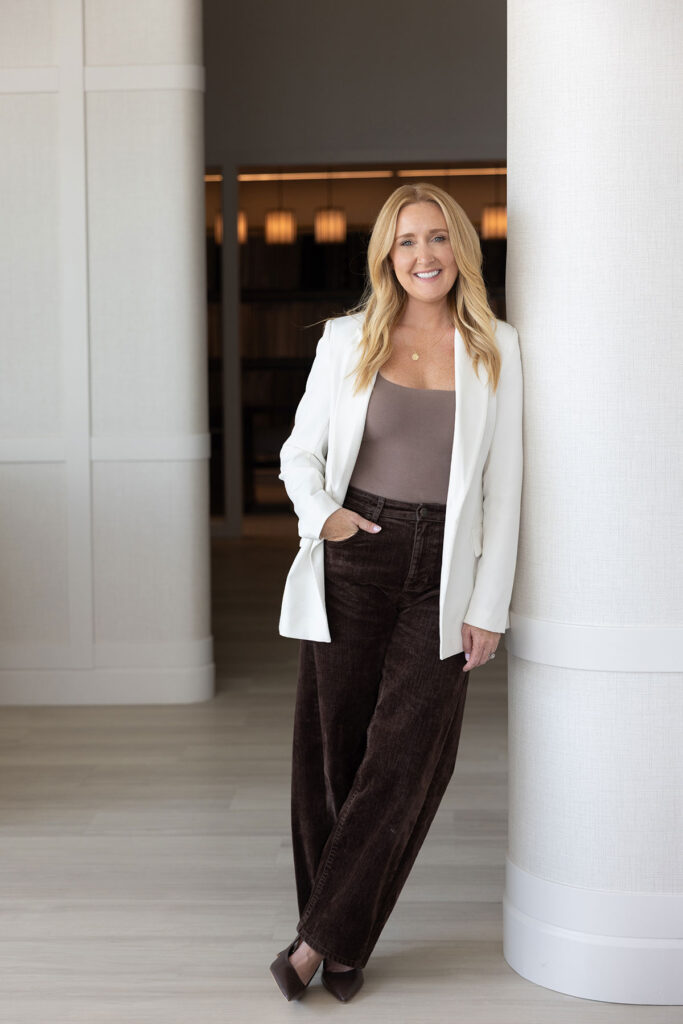
“When you walk into a space, you immediately feel something,” founder and principal designer Brandea Morton said. “Whether that’s positive or negative, it has an impact on you.”
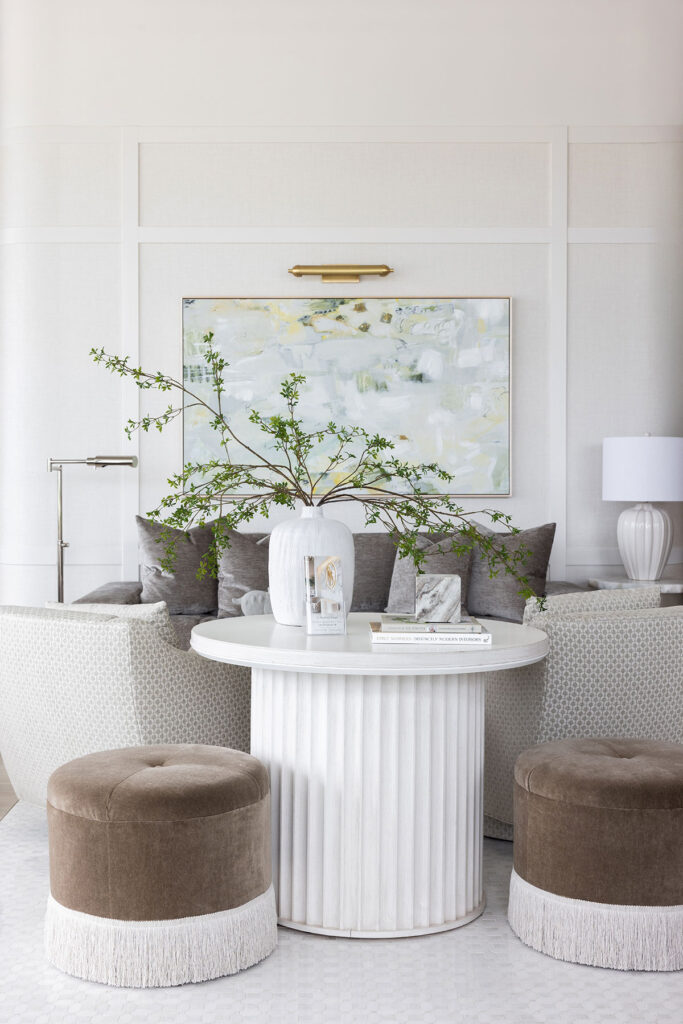
Creating the right feeling requires far more than selecting attractive colors and finishes. Lighting, materials, furniture, room dimensions and architectural scale all influence how a space is experienced. A soaring ceiling can feel grand and dramatic. A smaller room may become intimate and comforting. Even a challenging space with low ceilings can feel light, open and inviting when it is thoughtfully designed.
For Morton and her team, however, the most meaningful inspiration for a home comes from the people who will live there.
A home may need to withstand the joyful chaos of young children and pets. It might be a forever home designed to evolve with a family for decades, a second residence that offers a welcome retreat or a gathering place where children and grandchildren return for Thanksgiving and Christmas. Some homeowners love glamour and refined finishes; others want family fun space, comfortable furniture and rooms that encourage everyone to stay awhile.
Each vision is personal. That is why B. Morton Design begins every project by listening.
The firm’s onboarding process includes a detailed questionnaire, an interview with the design team and an in-person kickoff meeting. Clients are asked about their children, pets, travel, entertaining and favorite ways to spend time together. The team wants to know what brings the family joy, how the home will be used and what would make the completed project feel successful.
Those conversations take place before discussions about paint colors, fabrics or finishes begin. “We are more interested in learning about how they’re going to use the space and what success would mean for the project at the end,” Morton said.
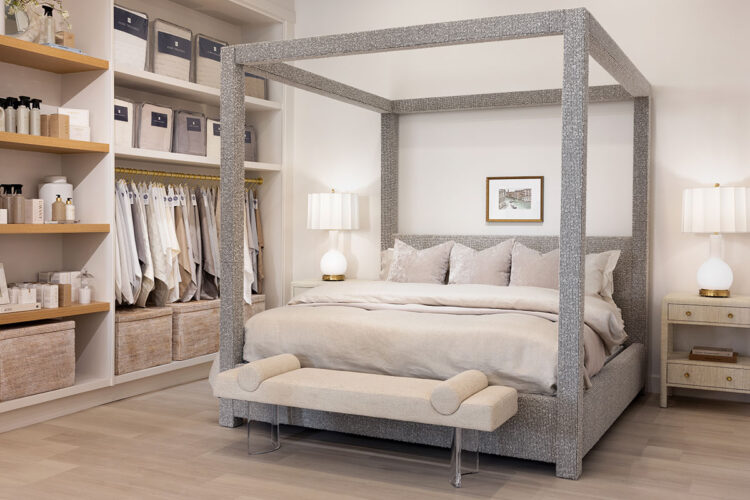
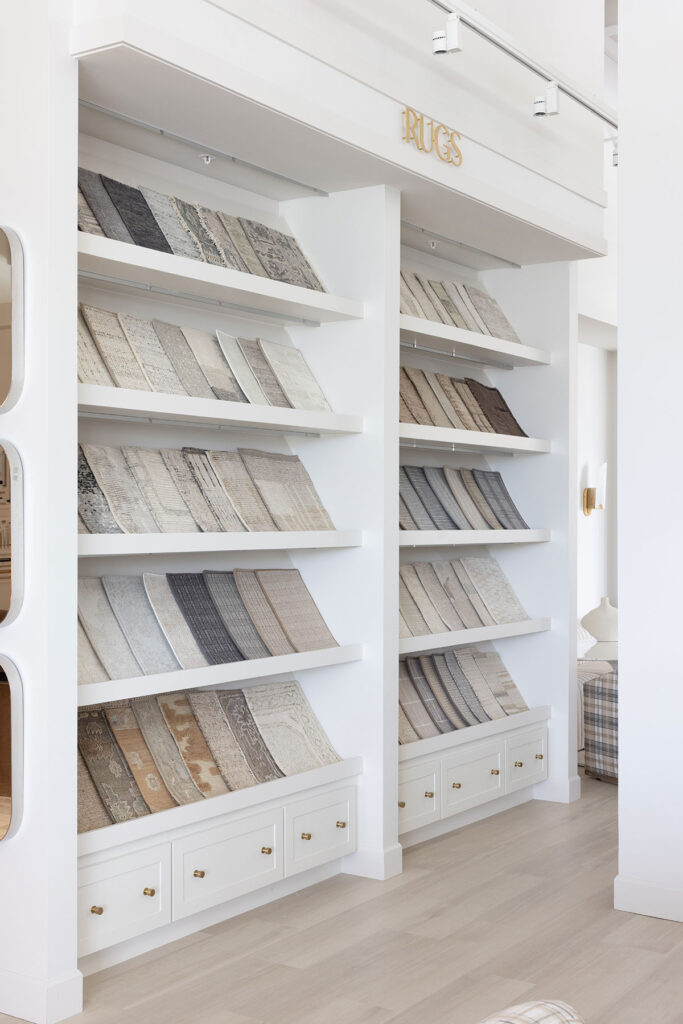
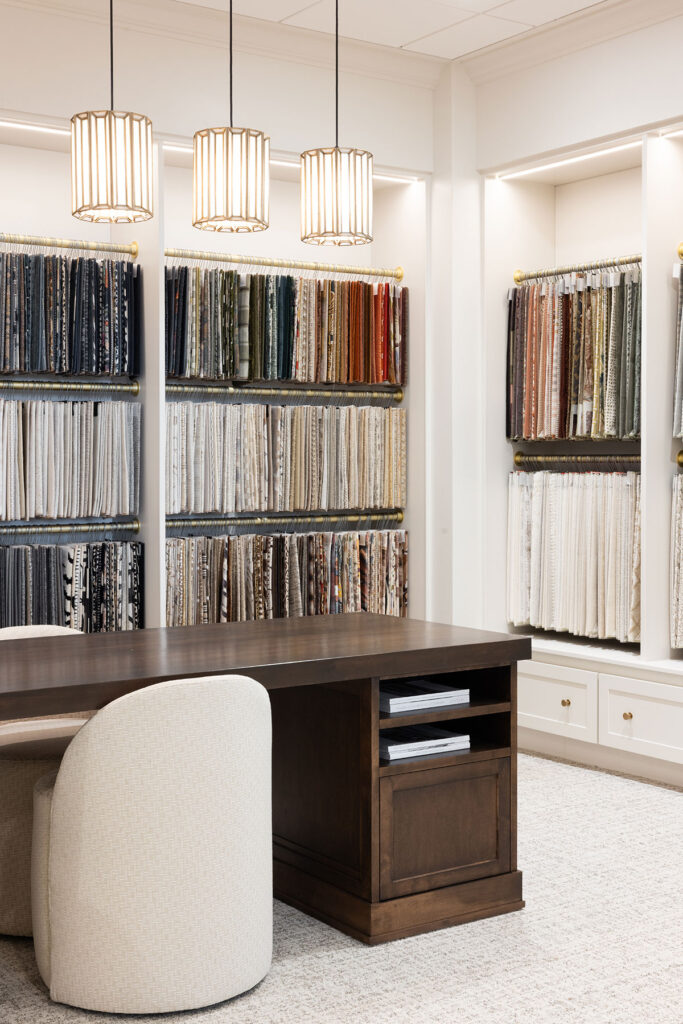
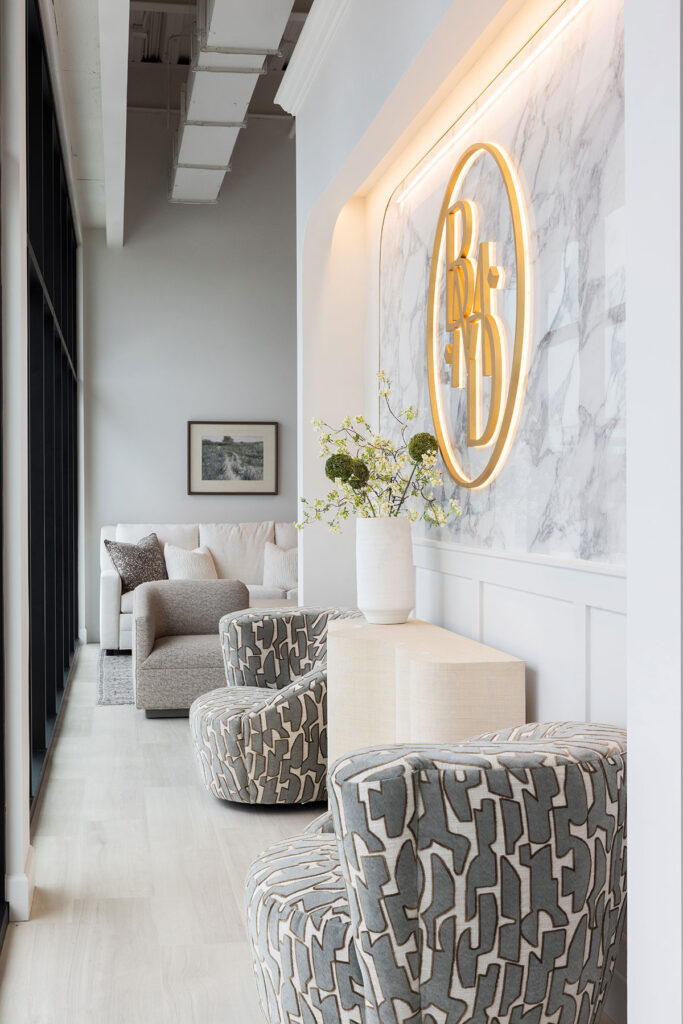
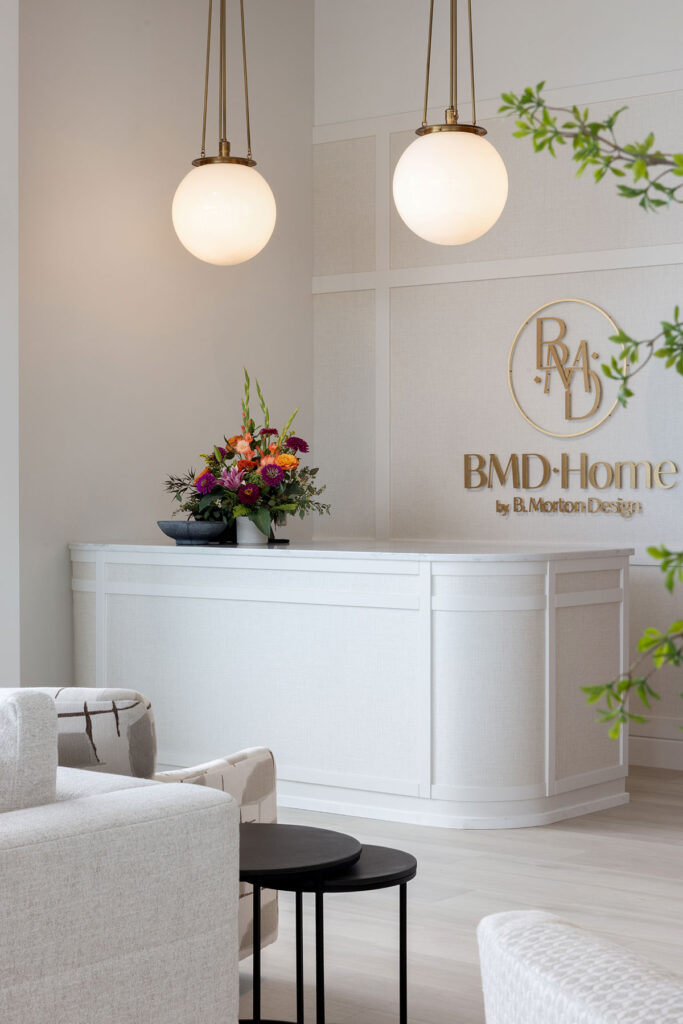
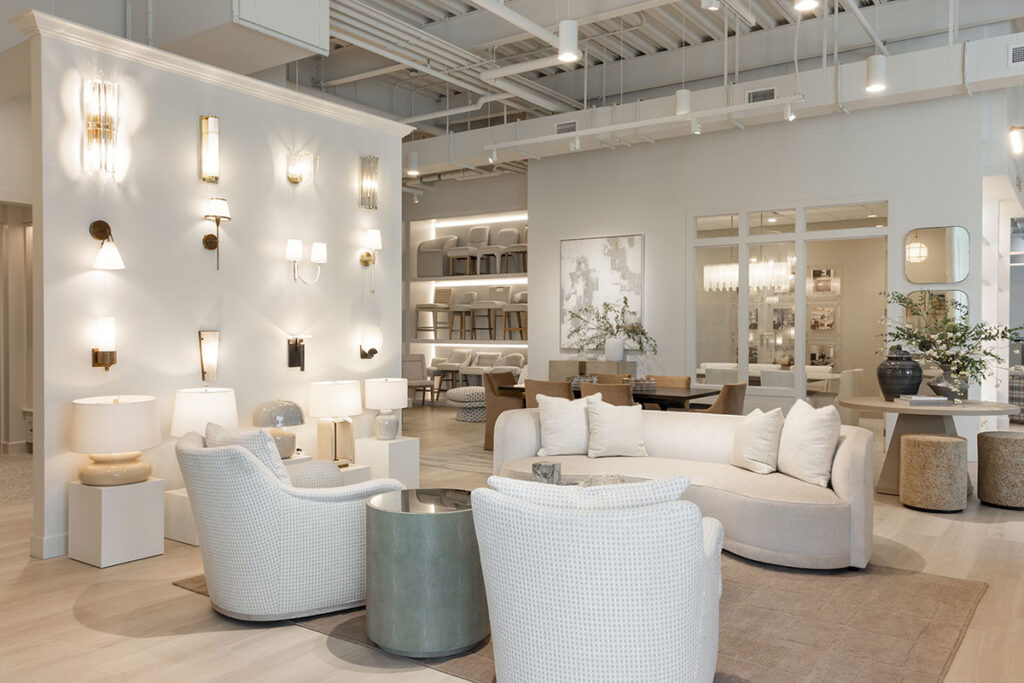
This client-centered approach extends into B. Morton Design’s show room, a concept Morton describes as unique in the Omaha market. It is not a shop filled with candles, blankets and decorative accessories. Instead, it is a welcoming custom-furniture showroom that feels like stepping into a working design firm.
Visitors are greeted by an interior designer who can answer questions and guide important decisions. Furnishings are made to order in the United States and can be customized through selections of fabrics, finishes and sizes. Morton has personally visited the factories of the vendors represented in the showroom, giving clients additional confidence in the products they choose.
The experience allows someone to discover the perfect silhouette for a chair or sofa and then make it distinctly their own. More importantly, it helps homeowners avoid expensive mistakes.
Scale is one of the most underestimated elements of interior design. A sofa that appears perfect online may overwhelm a room—or disappear within it. Seat depth, back height and overall proportions affect both appearance and comfort. A chair designed for an older generation may require a different seat height than one intended for a young family seeking everyday durability.
Interior designers do much more than “pick finishes,” Morton emphasized. “They understand floor plans, space planning, proportion and the precise relationship between every element in a room. At B. Morton Design, clients can see and experience furnishings while relying on a professional to help them select pieces that will look right, feel right and live well.”
The firm’s uncommon attention to detail is rooted in Morton’s commercial design background. Before founding her residential practice, she worked on large, complex projects, including stadium lounges and international hotels. She brought the same discipline, detailed documentation and extensive advance planning to residential interiors. For a new home, finishes, specifications and drawings may be completed by the time the builder breaks ground, allowing construction to proceed with fewer delays and last-minute decisions.
Morton always knew she wanted to be a designer. She was drawn to the emotional power of memorable hotels, restaurants and homes—the places people want to revisit because of how they felt while they were there. She founded her firm while raising two children. Today, she and her husband have four boys, ages 9, 7, 6 and 3. As her family grew, her business did, too through referrals and Morton’s innate sense of what to do next. “To have found a way to do something I love while having the flexibility to be there for my family has been the best reward yet,” she said.
Morton manages all the growth in her life by trusting her team whom she credits with allowing her to balance creative leadership and family life. Design directors, senior level staff, procurement specialists and logistics professionals work together on projects, while Morton oversees the creative vision. The net effect for B. Morton Design customers is interiors they love and process that makes it inspiring, easy and clear.
It all comes back to creating a home that feels unmistakably personal: a place that supports daily life, reflects what its owners value and surrounds them with beauty, comfort and joy. Because the best-designed homes do more than impress guests. They make the people who live there happy to come home.